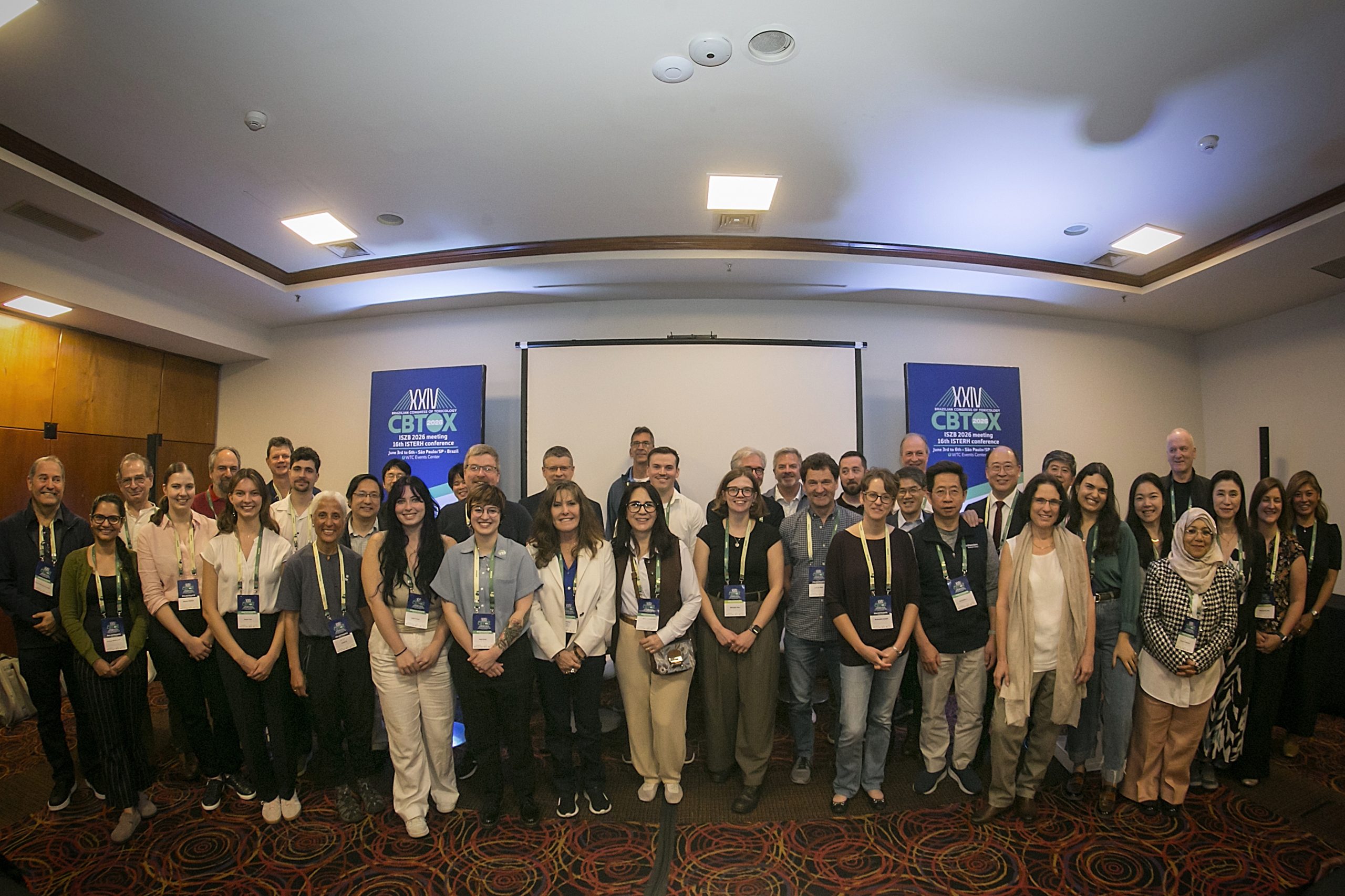
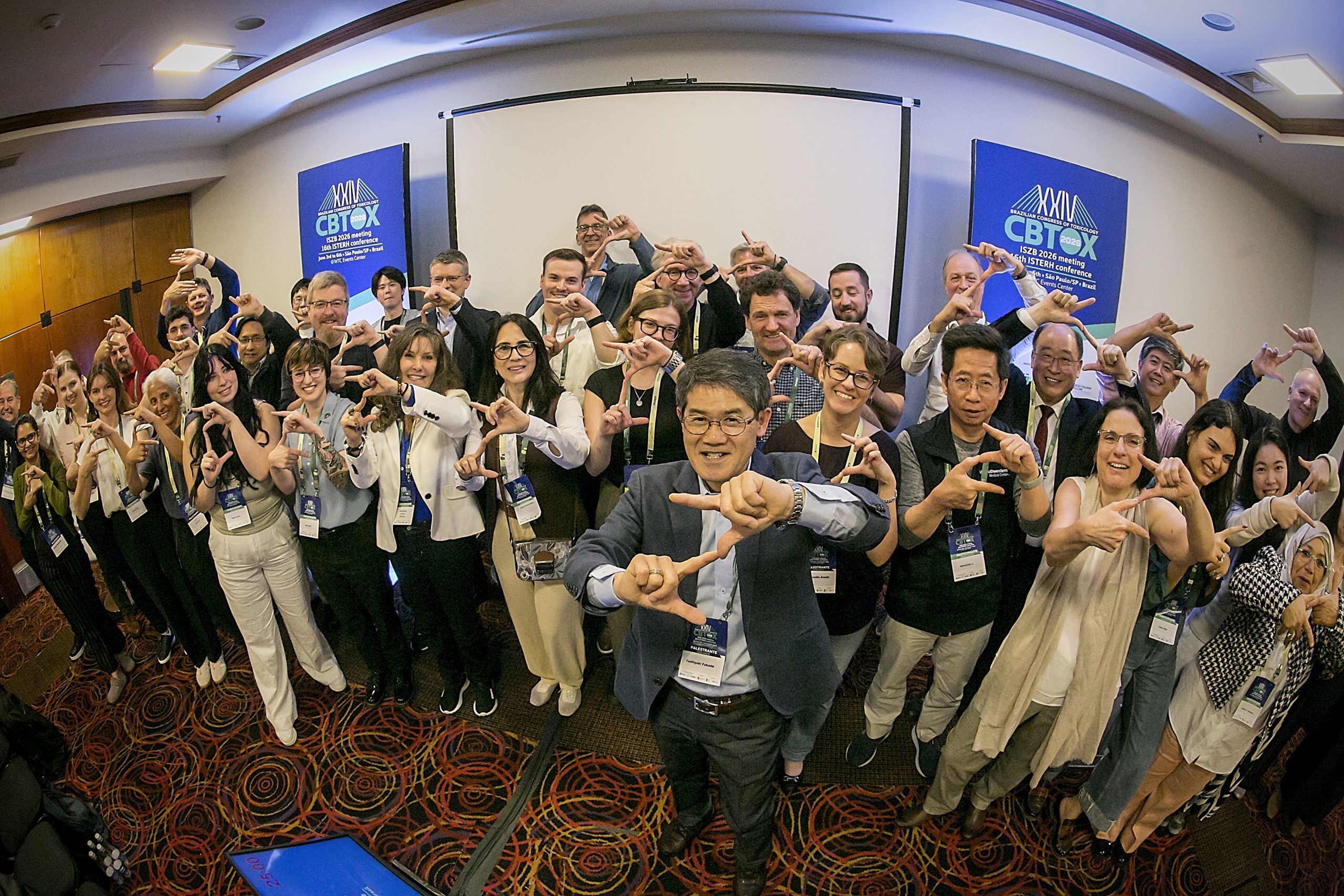
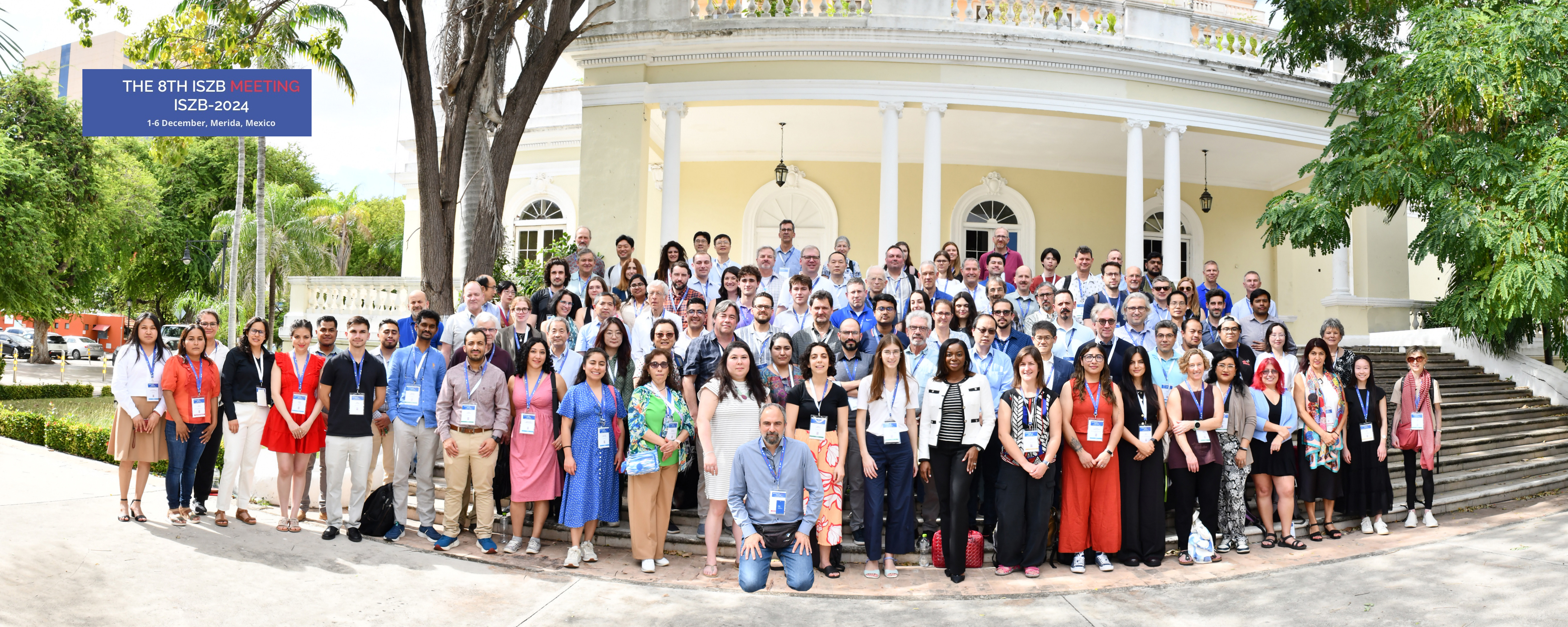
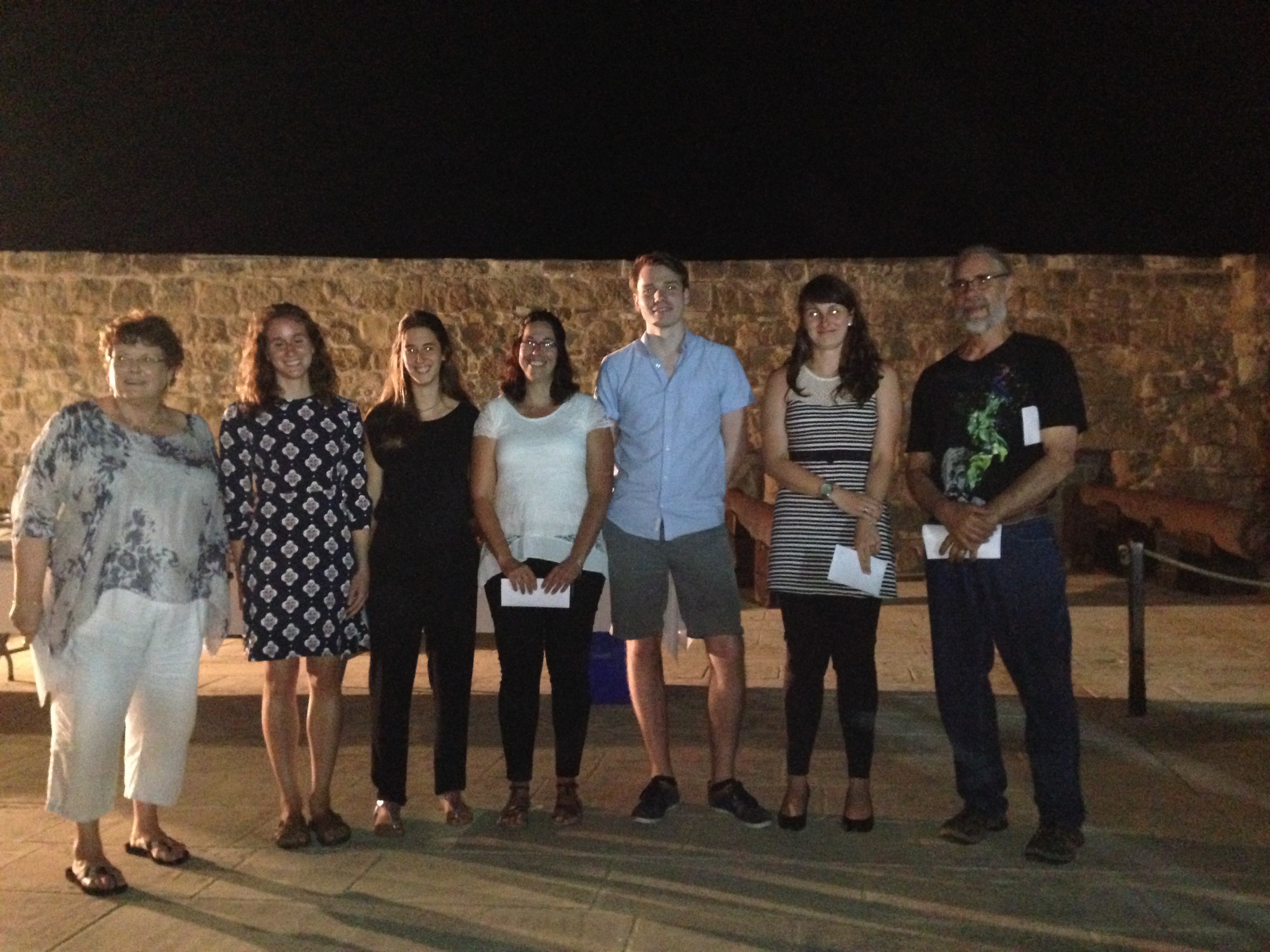
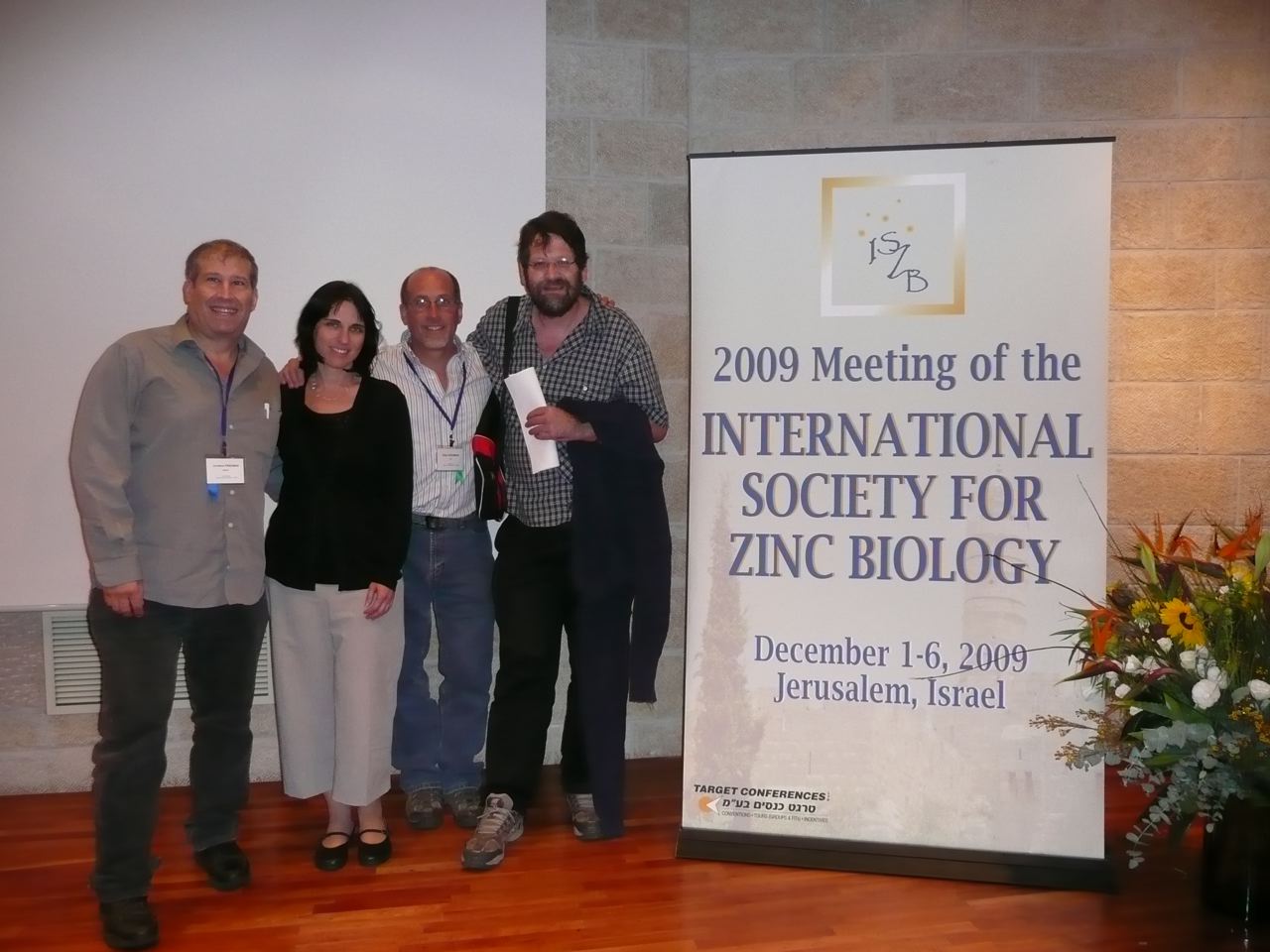
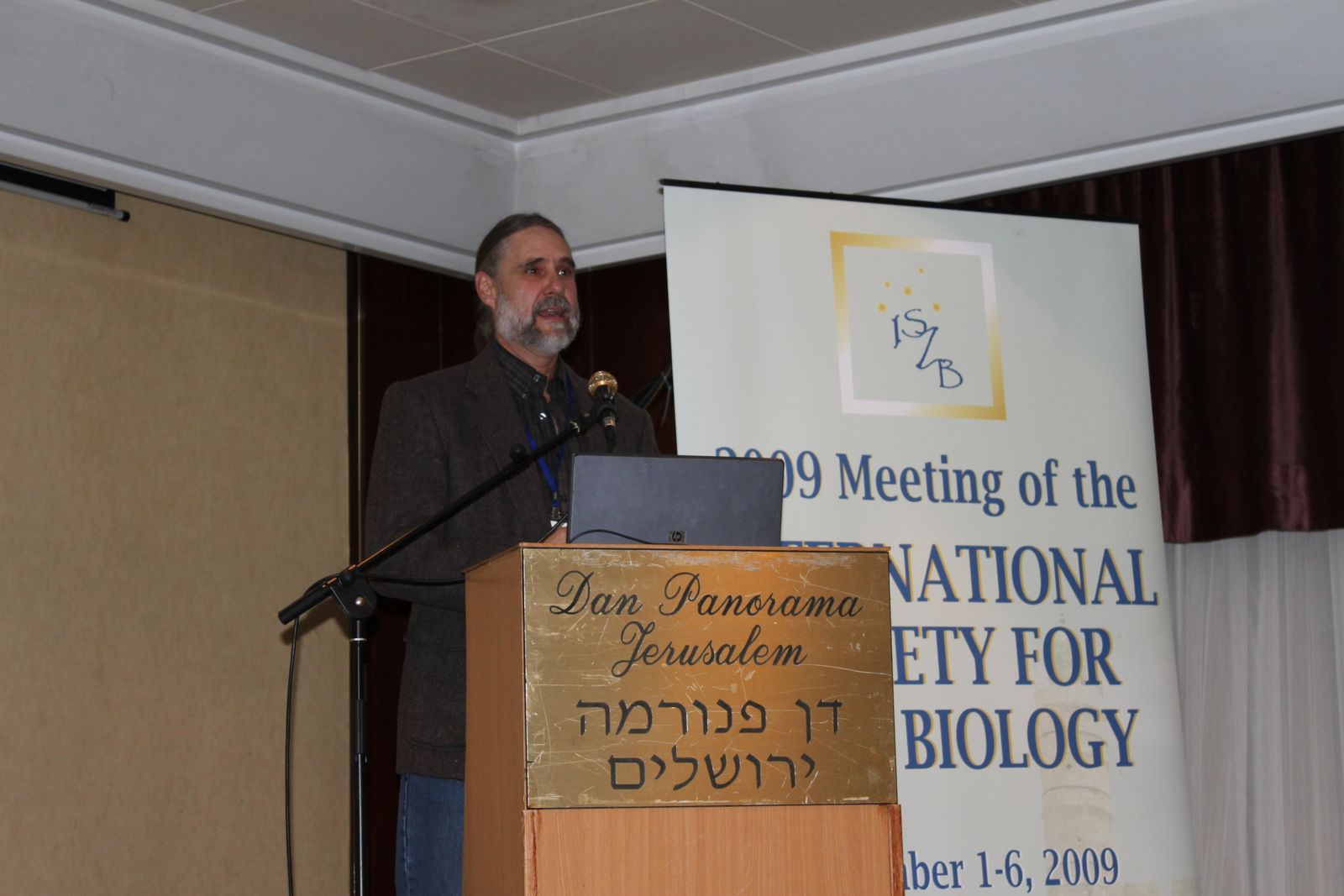
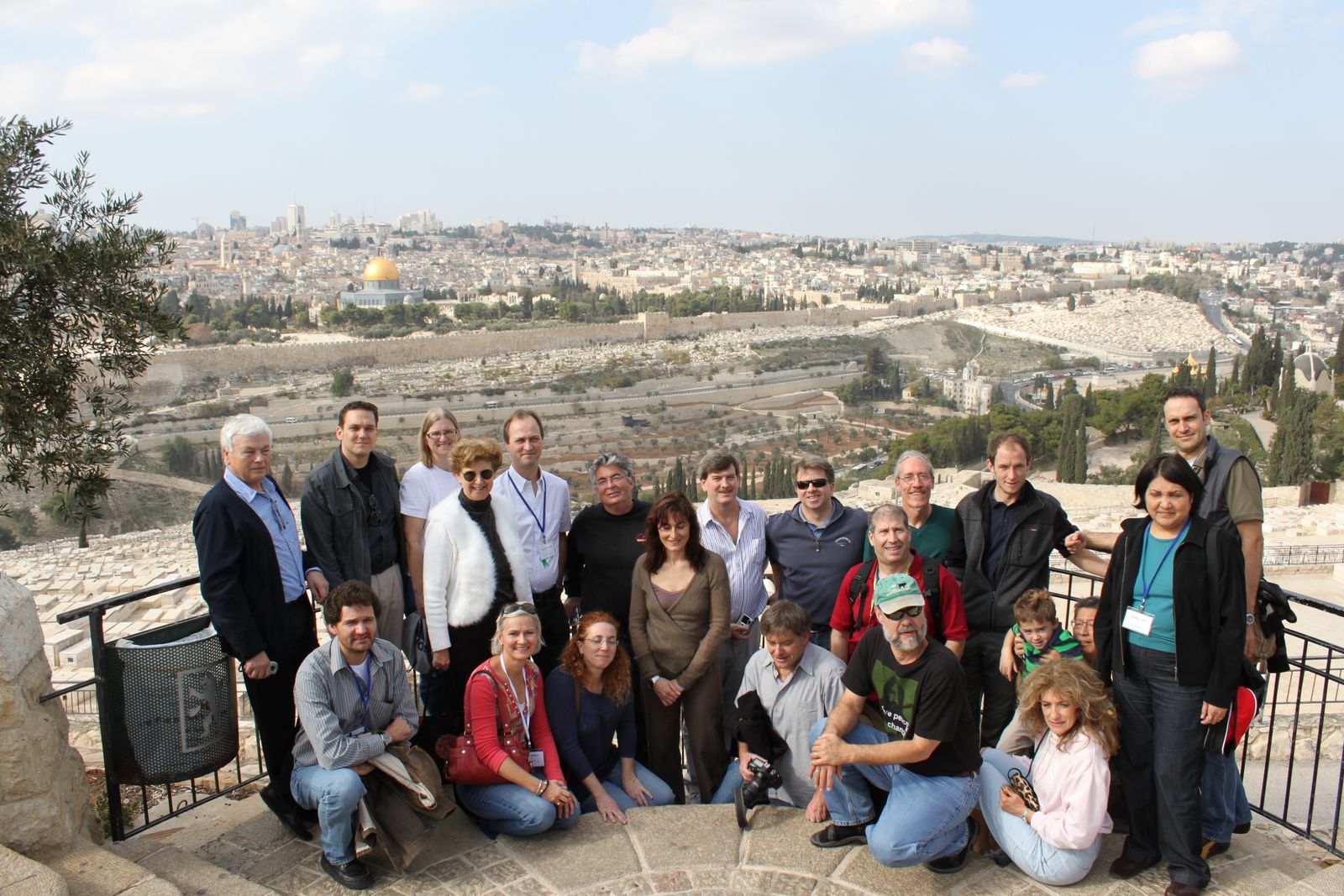
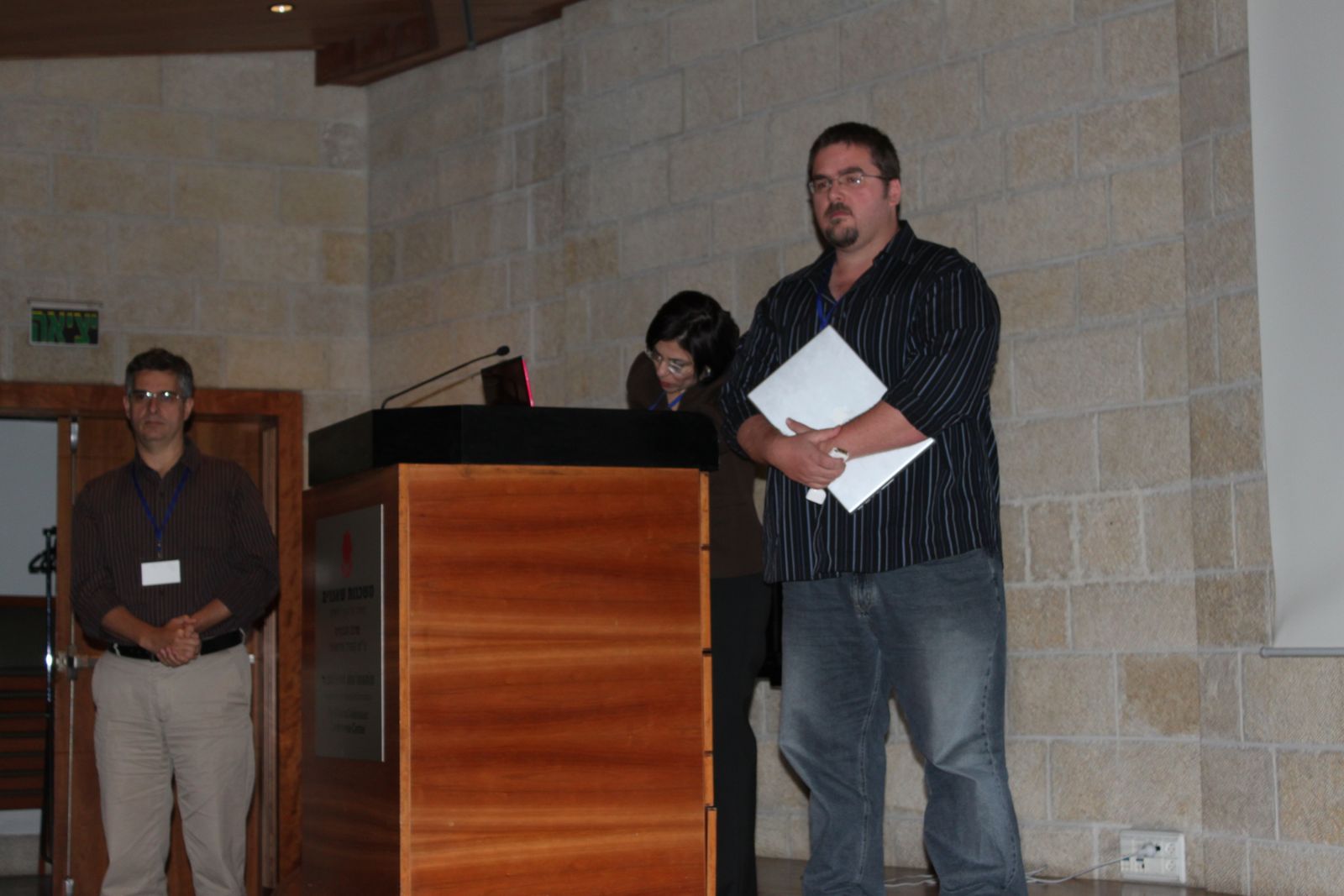
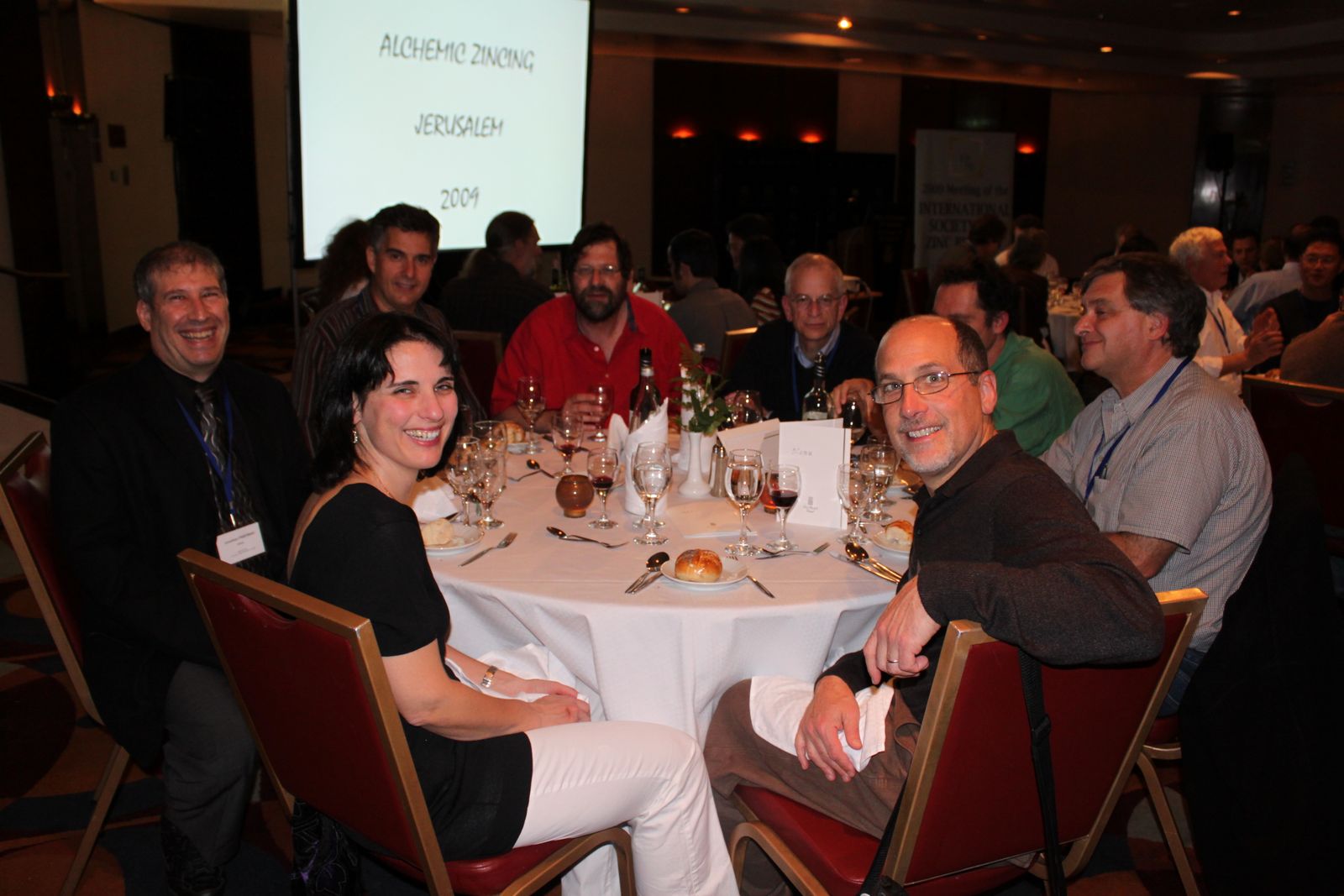
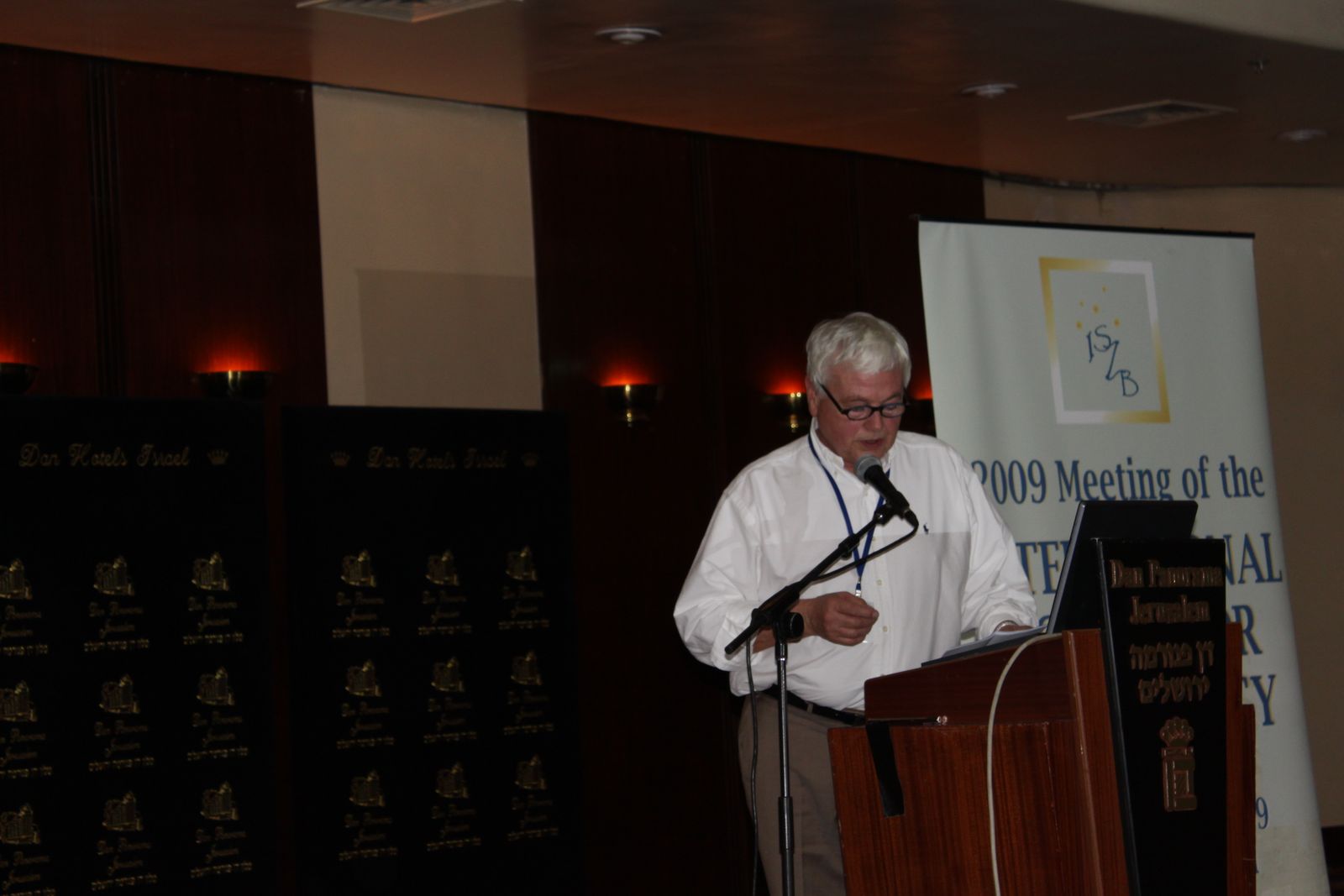
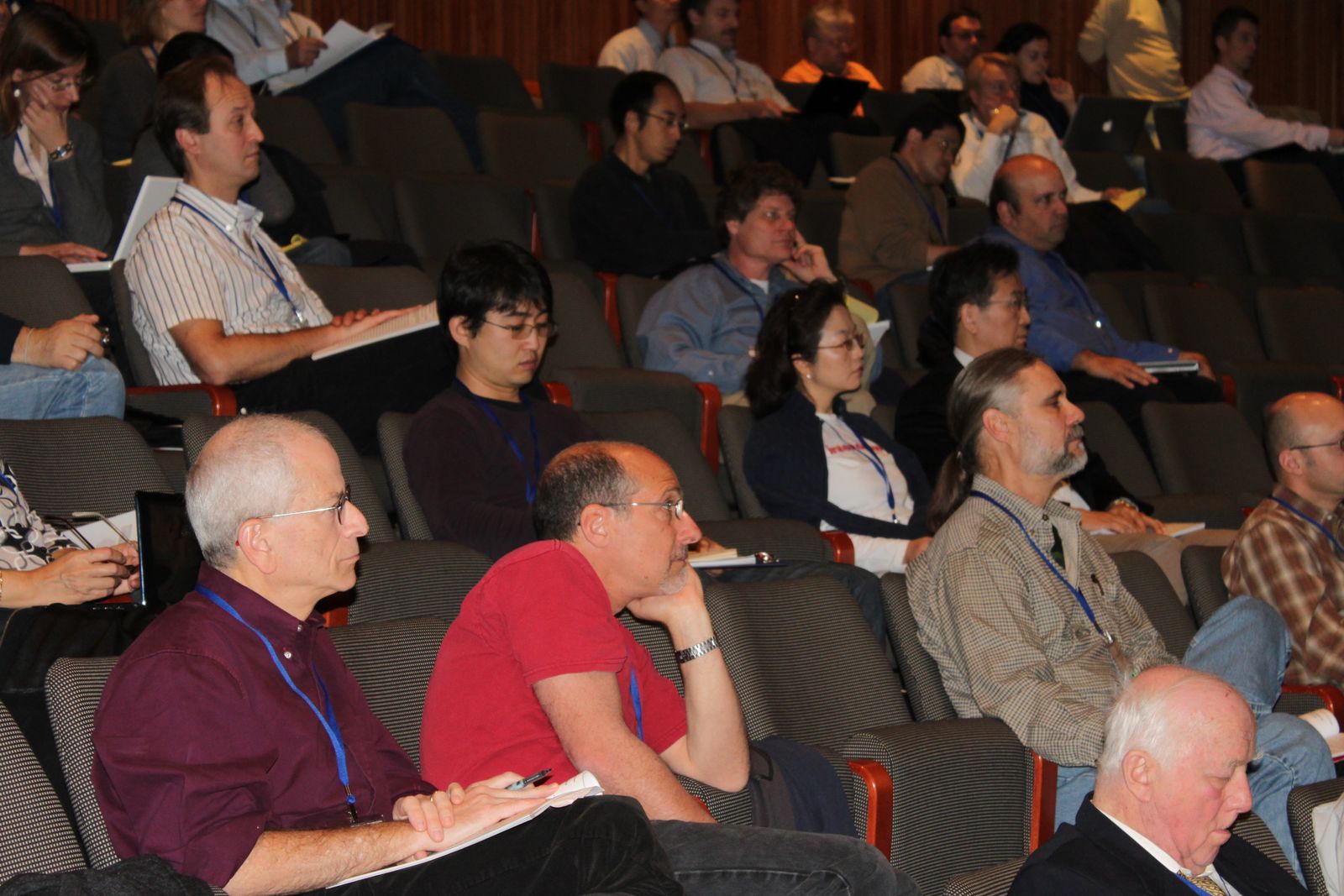
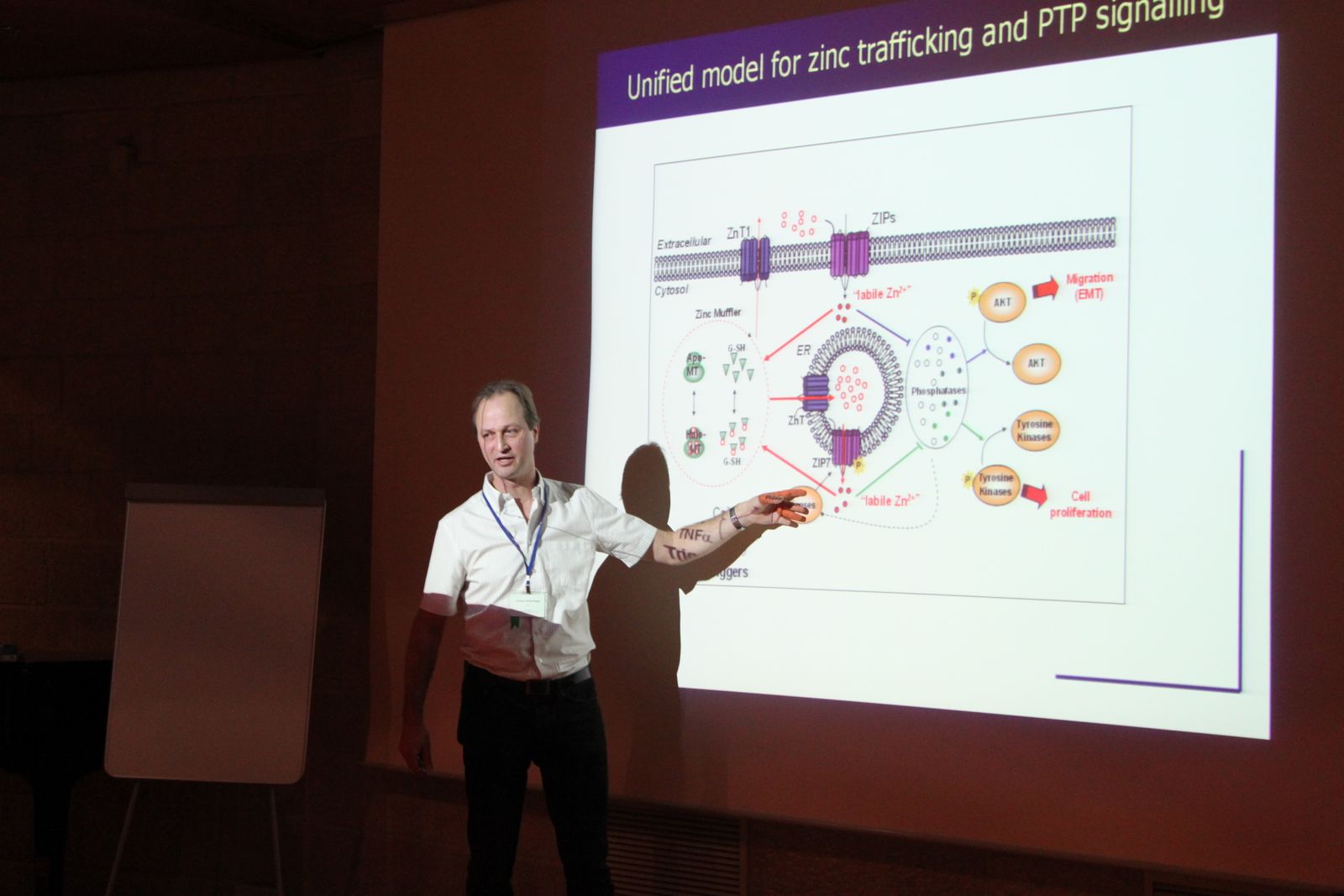
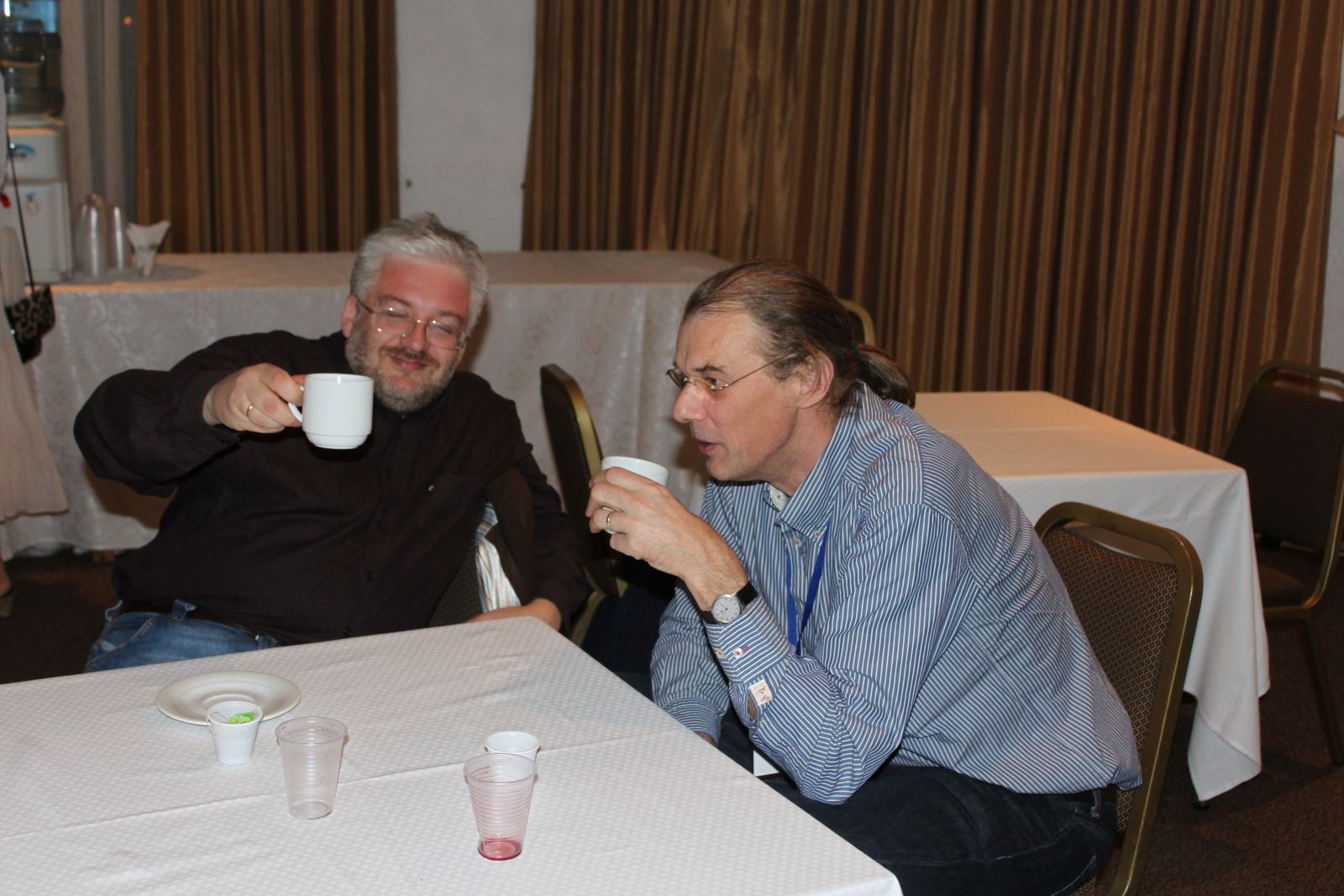
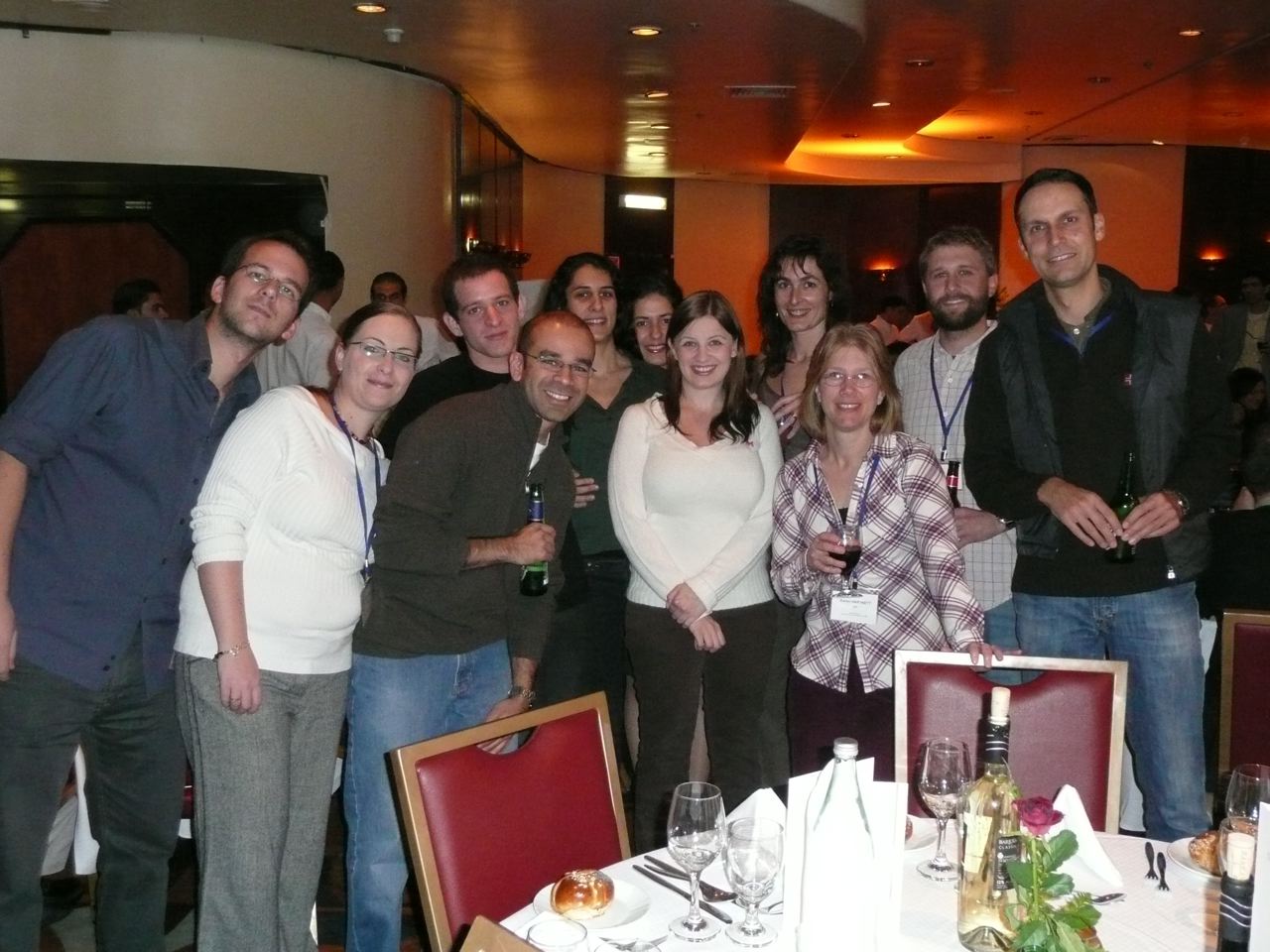
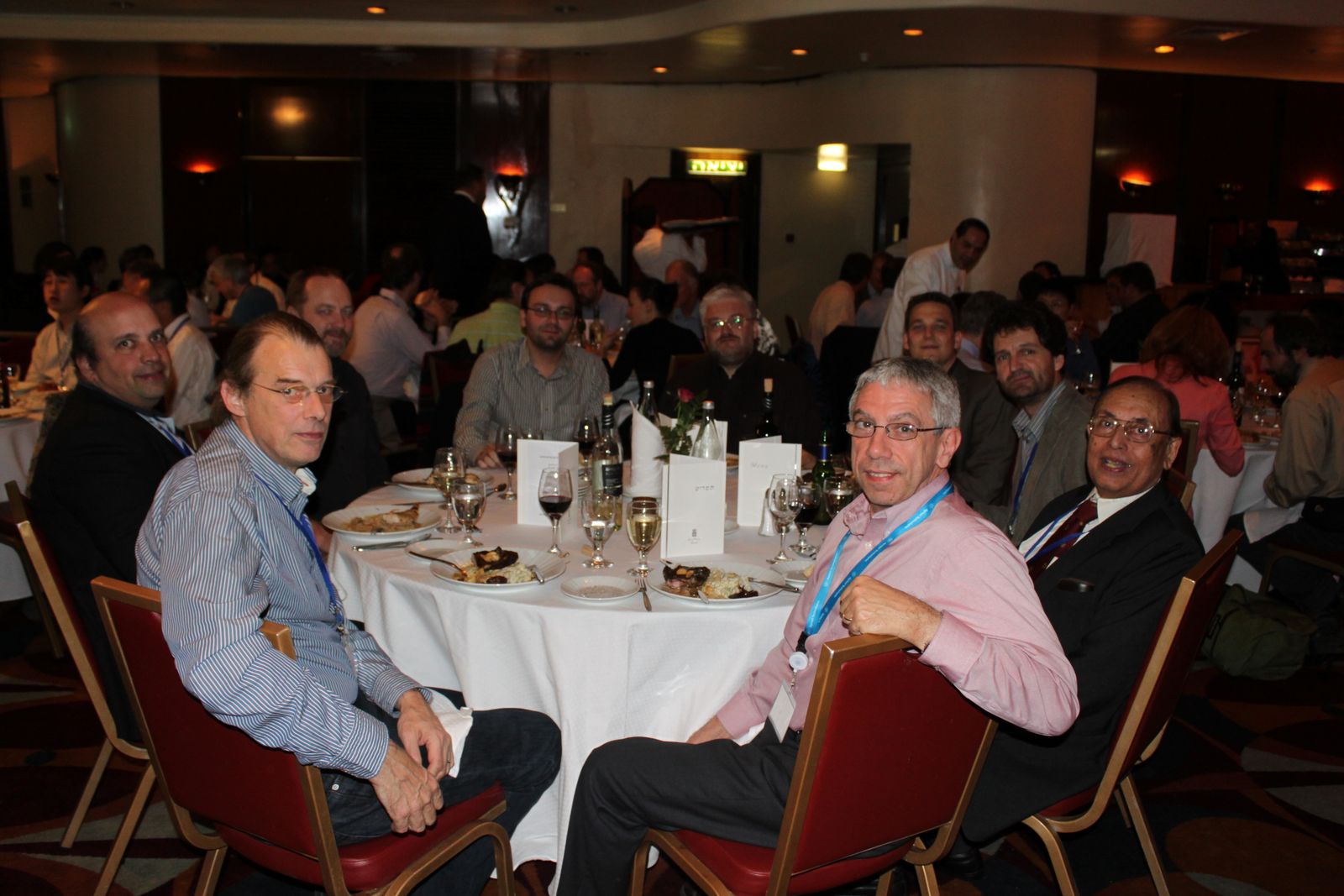
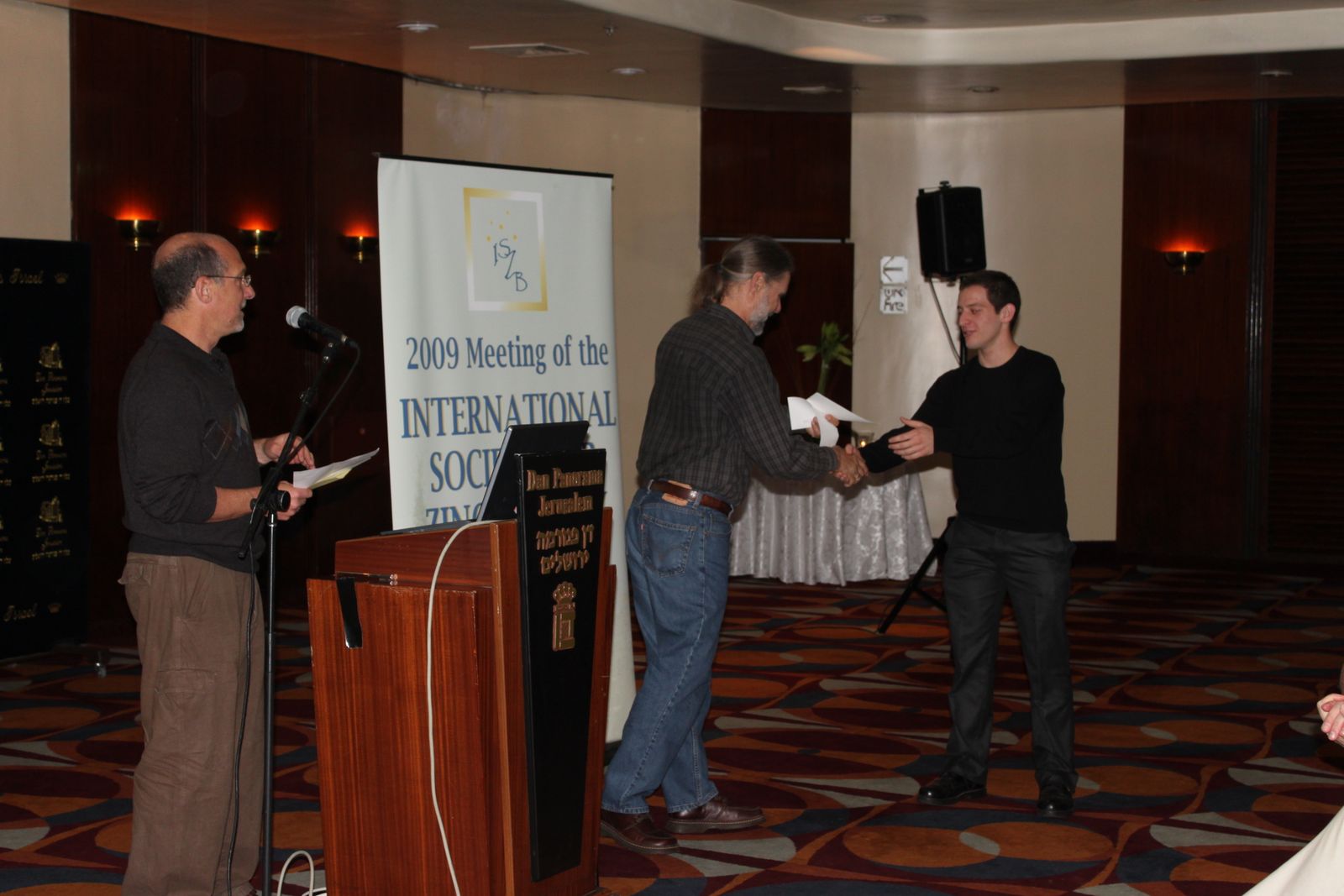
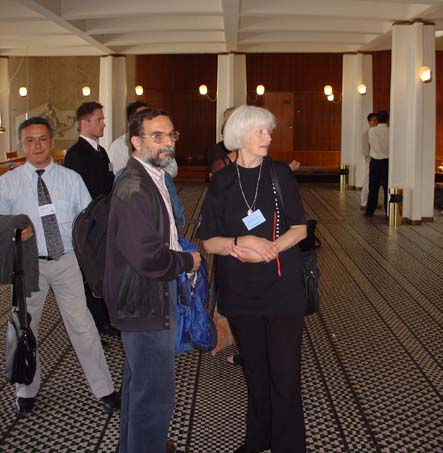
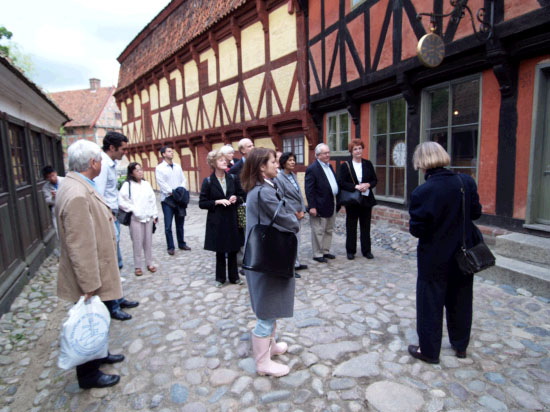
The 2009 meeting of the ISZB was held at Mishkenot Sha’ananim in Jerusalem, Israel on December 1-6. The local organizing committee, composed of Israel Sekler, Ze’ev Silverman, Michal Hershfinkel and Jonathan Friedman, worked in conjunction with the ISZB meetings committee, chaired by Elias Aizenman, to put together a rich and interactive scientific and cultural program. Over 100 scientists attended this meeting, sharing new data and ideas regarding the role zinc plays in a large number of biological systems. In addition, attendees were introduced to the rich and varied history of Jerusalem during three comprehensive guided visits to the old city. Here, we would like to highlight some of the many topics covered during this most recent gathering of the leading zinc scientists in the world.
Tools for studying cellular zinc homeostasis are essential, and an exciting and stimulating session was devoted to describing novel molecules and methodologies for Zn2+ sensing. New approaches for localization of fluorescent probes, dynamic and fast detection of intracellular Zn2+ and its release, as well as probes for different imaging methodologies were detailed. We later learned about methods to assess the levels of this ion in specific cellular compartments, and to start addressing the role of networks activated by movement of Zn2+ ions.
On the cellular level, several sessions addressed the important roles, as well as the mechanism of function, of various zinc transporters. In these sessions we learned about the interaction between intracellular Zn2+, transported into the cells via Zip proteins or released within the cells, and signaling pathways that are activated during cancer, autophagy, or activation of the cellular immune response. We also discussed the role of Zn2+ transporters in regulating Zn2+ metabolism in organ and tissue system, such as the mammary gland, connective tissue, and bone development. A stimulating presentation highlighted a potential new role for Zip4 and Zn2+ accumulation in cancer progression. Finally, the role of Zn2+ transporters diabetes, mood disorders, inflammation, digestive system function and age related macular degeneration was discussed.
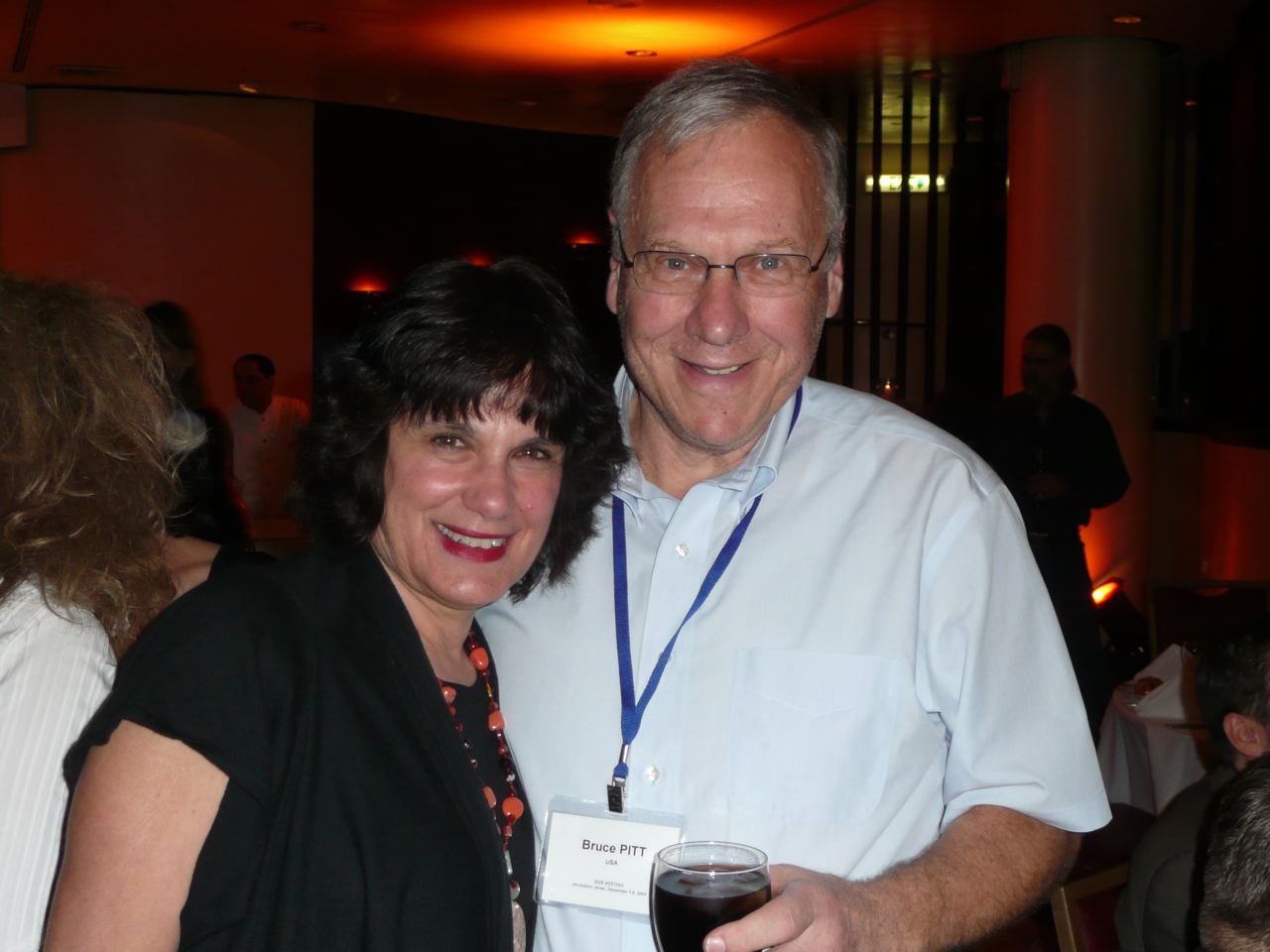
A fascinating plenary lecture by Prof. Bruce Pitt from the University of Pittsburgh addressed the role of Zn2+ in activation of cellular pathways in pulmonary endothelial cells, affecting formation of stress fibers linked to vasoconstriction in the lungs.
Of course, no ISZB meeting would be complete without a rich complement of sessions centered on the role of Zn2+ in neurological disease. Zinc-regulation of potassium or calcium channels was shown to affect neuronal behavior during ischemia or epileptogenesis. Important new data regarding the role role for Zn2+ in regulating NMDA and GABA pathways was presented. Dynamic regulation of Zn2+ levels was shown to be determined by both sensory experience and by injurious spreading depression. The critical role Zn2+ may play in Alzheimer’s disease progression was also covered during the meeting. In an interesting opening lecture, Prof. Ilana Gozes from Tel Aviv University described the beneficial role of the peptide NAP, which also protects cells from zinc toxicity. Exciting new developments regarding the role of intracellular or synaptic Zn2+ on learning and memory as well as the effect of chaperones of this ion on cognitive function were presented.
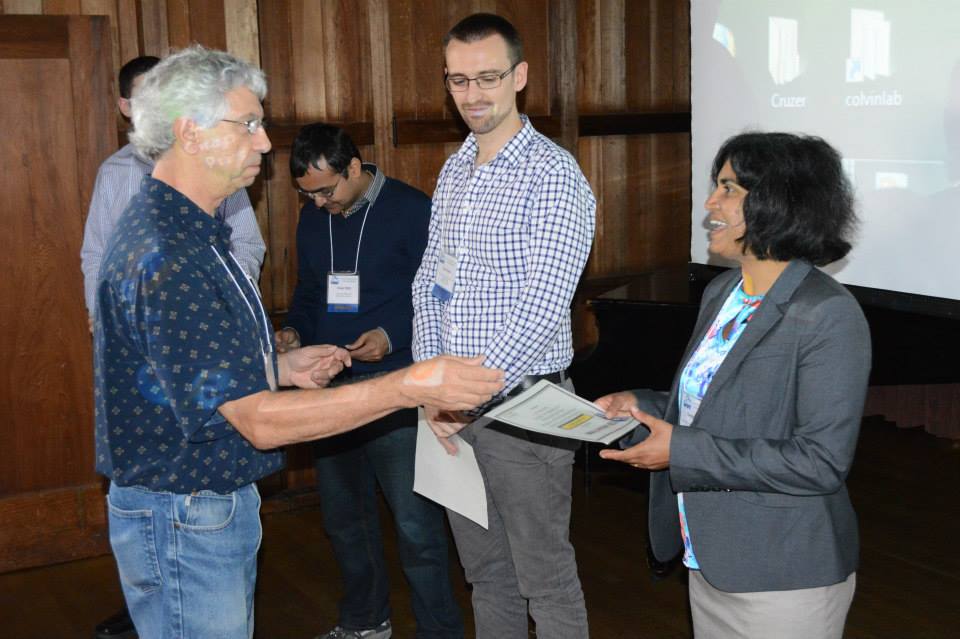
Last but not least, four outstanding trainees were chosen to present their work and won ISZB awards: Elisa Tomat presented her work on Zn2+ detection, Benjamin Weaver presented his work on Zip5 translation, Veronica Lopez presented her work on the role of Zn2+ transporters in breast cancer and Rosa Puce presented her work on the role of Zn2+ in regulating p53 signaling and chemoresistivity.
The ISZB continues to provide a wonderful venue for cross-disciplinary interactions among zinc scientists. Jerusalem provided a rich venue for our young society to continue to grow. We anxiously await the next ISZB meeting!
See full report in Science Signalling.

 We gratefully acknowledge BioMetals for its generous support of ISZB 2026, including meeting promotion and poster awards. Visit the journal via the link https://link.springer.com/journal/10534